Home / Quality Control

Toy quality control for buyer-defined programs

Quality ControlFrom Approved Requirements to Release

FigCrafts connects the approved product, project-specific critical-to-quality characteristics, inspection evidence and authorized release decision across figures and plastic model kits.

Quality is not one final check. It is a controlled decision chain for an identified product, version and lot.

1786457988671 85de6b4a158c
01

Requirements

02

Evidence

03

Release

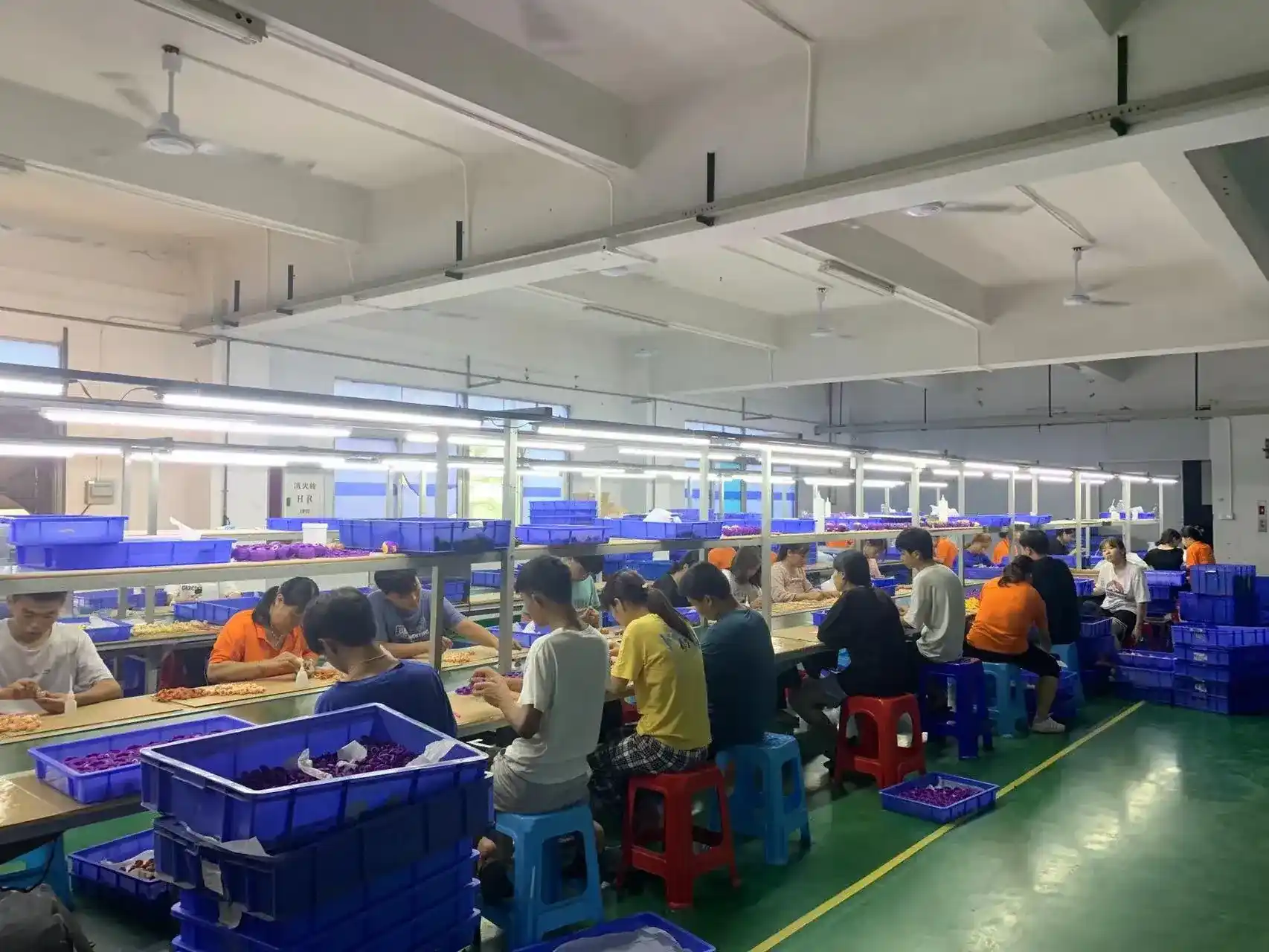
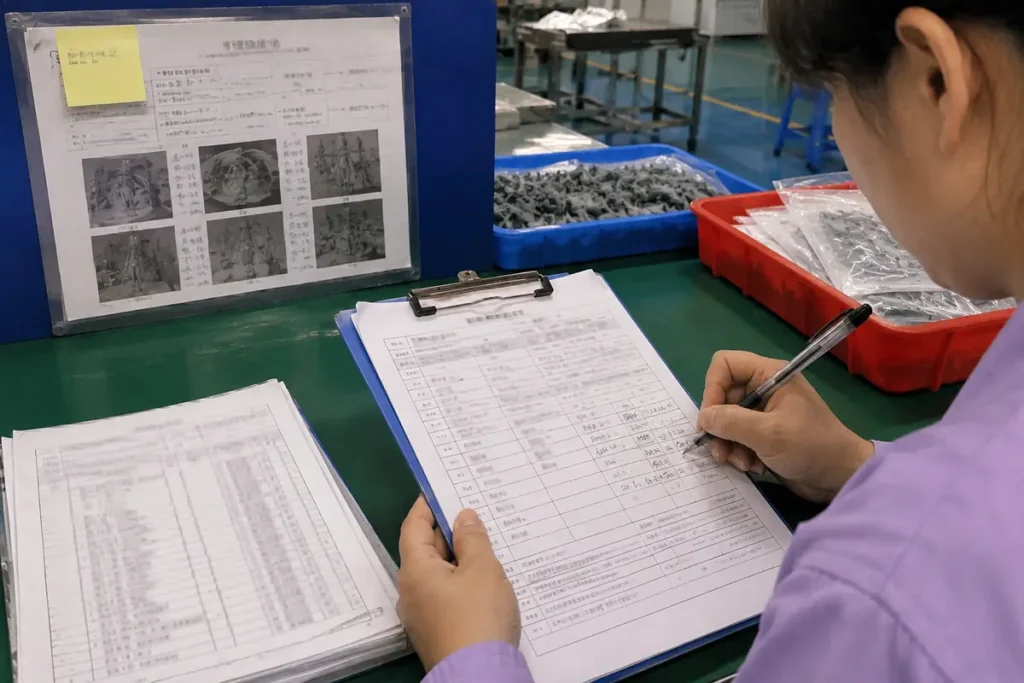
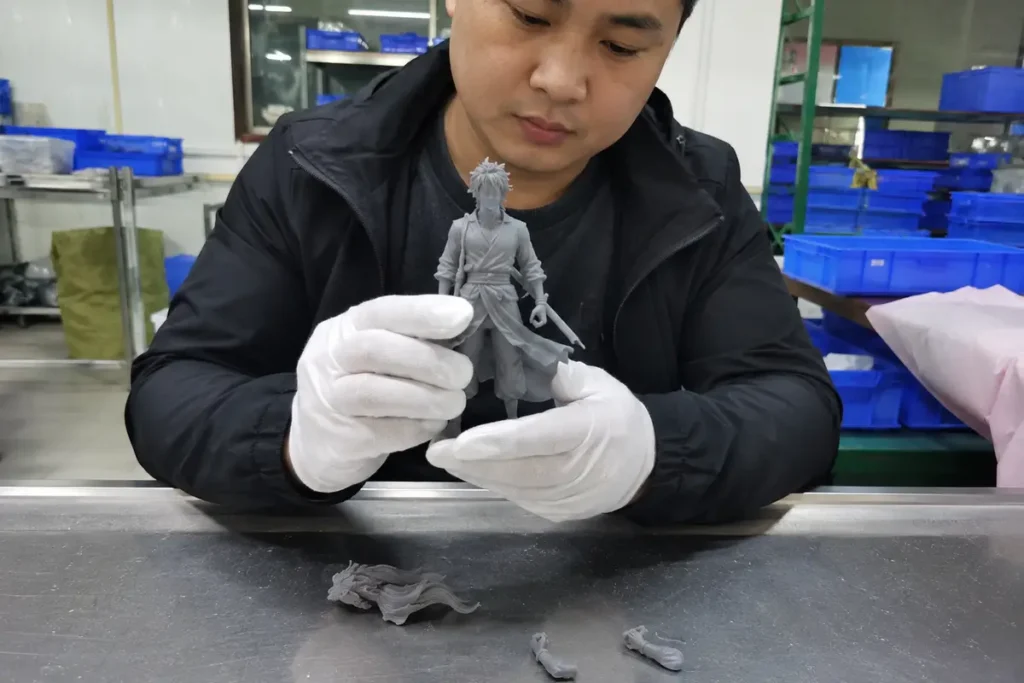
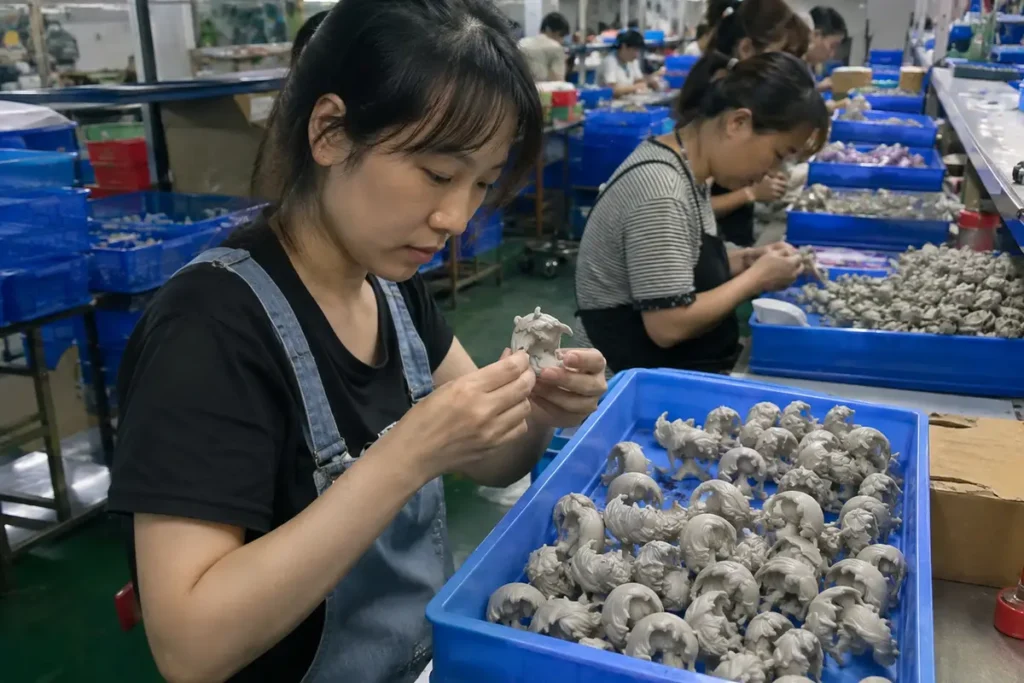
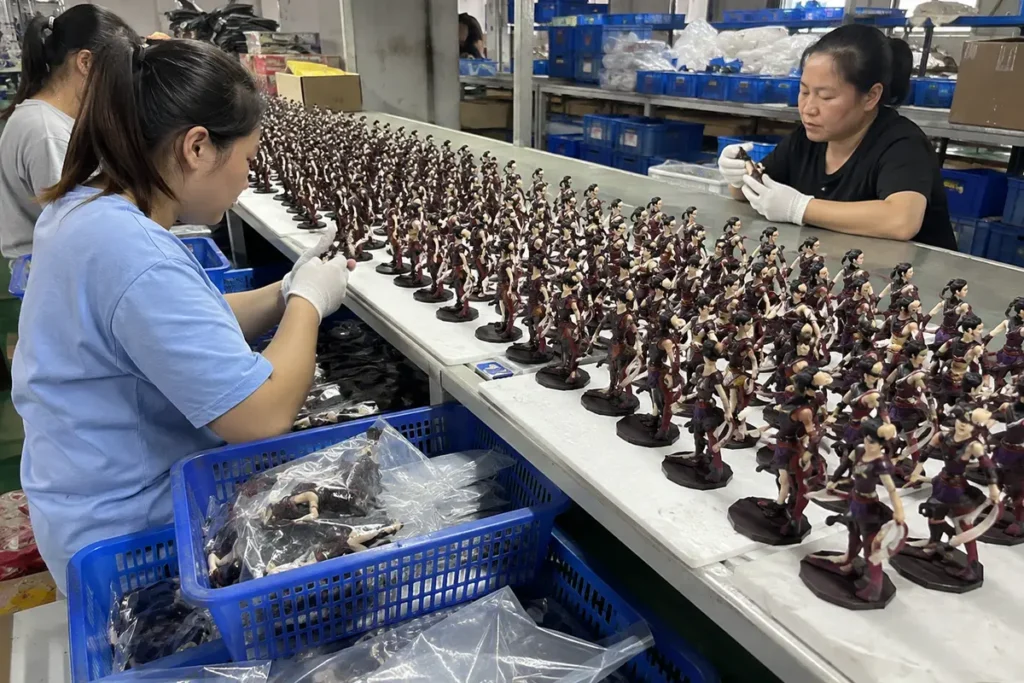
Verified company photography · Production and assembly area
ISO 9001
Certified quality management system; document scope is shared when relevant.
In-House
Internal inspection integrated with production and final manufacturing coordination.
Project-Specific
CTQs, methods, sampling, evidence and release criteria are agreed by program.
Buyer / Third Party
Audit, inspection and testing support can be coordinated to agreed requirements.

The quality-control start line

Release the Definition Before Inspecting the Result

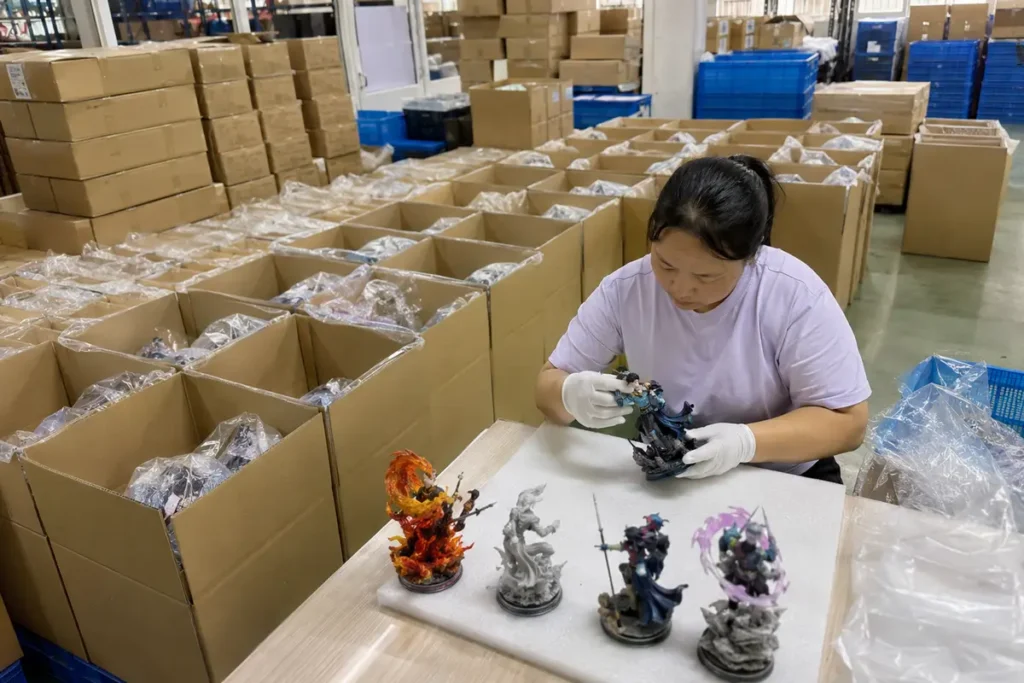
A measurement or visual check only has meaning when it is compared with a released requirement. Before inspection begins, the product identity, revision, approved references, critical characteristics and open decisions must point to the same program.

01
Identify

Product, SKU, revision, lot and quantity.

02
Reference

Released files, specifications and approved samples.

03
Define

CTQs, acceptance, method and inspection condition.

04
Authorize

Reaction, disposition, release owner and next handoff.

Four connected control layers

Do Not Treat the Quality System as the Inspection Plan

The management system creates the operating framework. The project plan translates buyer requirements into controls. Process checks generate evidence. Release authority decides what can move forward.

01 / Framework

Quality Management System

Responsibilities, document control, traceability, nonconformance handling and improvement framework.

02 / Program

Project Quality Plan

Approved objects, CTQs, acceptance, methods, sampling, evidence and decision owners for this product.

03 / Execution

Process Controls

Input, first-article, in-process, assembly, completeness, packaging and outgoing checks as agreed.

04 / Decision

Release Evidence

Identified results, exceptions, disposition, approved scope and authorization for the next stage or shipment.

Approve the right object

One Approval Cannot Stand in for Every Gate

Files, samples, first articles and finished lots answer different questions. Each approval must name the object and decision it actually covers.

01

Definition Gate

Released Requirements

Files, specifications, finish references, pack-out and identified open items establish what will be evaluated.

Decision: ready for physical validation
02

Sample Gate

Approved Physical Reference

Form, appearance, fit, movement, assembly or pack-out is reviewed within the agreed sample scope.

Decision: accepted reference or correction
03

Start Gate

Production First Article

The released process, materials and setup are checked against the agreed starting characteristics.

Decision: start, adjust or hold
04

Lot Gate

Finished-Goods Release

Identified inspection and exception records support the decision for the stated SKU, lot and quantity.

Decision: release, hold or disposition

Product-specific critical-to-quality characteristics

Inspect the Interfaces That Define the Finished Product

The control plan follows how the product is built, handled, decorated, assembled and used—not a generic toy checklist.

Plastic Model Kits

Completeness, Fit and Build Logic

Runner and part completeness
Part identity and color grouping
Selected mating and build checks
Instructions, accessories and box contents
Review Plastic Model Kits →
Action Figures

Movement, Interfaces and Stability

Joint fit and intended movement
Accessories, pins, sockets and bases
Assembly relationship and interchangeability
Appearance across articulated interfaces
Review Action Figures →
PVC & Display Figures

Appearance, Assembly and Presentation

Visible surfaces and seam relationships
Color, masking, printing and finish references
Assembly position, lean and base stability
Handling protection through pack-out
Review PVC Figures →
Vinyl Toys

Form, Balance and Surface Continuity

Character silhouette and hollow-form behavior
Balance, assembly and contact points
Visible seams, distortion and finish continuity
Presentation and protective packaging
Review Vinyl Toys →

Build an actionable inspection plan

Define the Check, Its Condition and Its Reaction Together

“Inspect carefully” is not an acceptance plan. A usable instruction identifies the object, requirement, method, condition, timing, evidence and reaction as one connected control.

Control statement

Object+ Acceptance+ Method+ Condition+ Scope+ Reaction+ Record

CONTROLLED
CHECK

01

Object

Part, SKU, version, lot

02

Acceptance

Released requirement

03

Method

Visual, instrument, build or test

04

Condition

Orientation, reference, setup

05

Scope

Timing, quantity, sampling

06

Reaction

Hold, escalate, disposition

07

Record

Result, exception, authority

Project Quality & Release Matrix

Bind Requirements, Checks and Release Authority in One Record

The matrix prevents an approved sample, report or certificate from being used beyond its identified object and scope.

Matrix Block Required Fields Procurement Decision Supported
01Identity & Approval References

Product or SKU, revision, lot and quantity, released files or specifications, approved samples and open items.

Are the inspected goods and the approved product definition the same object?

02CTQ, Method & Condition

Characteristic, acceptance, visual or instrument method, build or fixture, test condition and evidence.

Does the result answer the requirement under a defined condition?

03Lot, Sampling & Reaction

Lot or SKU definition, per-unit or sample scope, defect classification, decision rule, hold, escalation and reverification.

What population does the result represent, and what follows a finding?

04Evidence, Authority & Release

Record, approval or disposition owner, accepted exceptions, released quantity and next handoff.

Who can release what, with which evidence and known exceptions?

Evidence has a boundary.

A sample, first article, inspection report or test result applies to its identified object, version, method and scope. It does not automatically release another SKU, another revision, an unlisted characteristic or the full unsampled lot.

Choose the evidence by risk

State What Each Inspection Result Represents

Inspection scope is agreed according to the product, characteristic, lot structure and risk. No single method proves every unit or every characteristic.

HTML content removed

HTML content removed

HTML content removed

HTML content removed

HTML content removed

HTML content removed

HTML content removed

HTML content removed

Starting Condition

First Article

Checks the initial item or defined first-off set against agreed characteristics before routine production.

Represents: the evaluated starting condition

HTML content removed

HTML content removed

HTML content removed

HTML content removed

HTML content removed

HTML content removed

HTML content removed

HTML content removed

Process Visibility

In-Process Sampling

Provides evidence at defined stages or intervals and activates the agreed reaction when a result falls outside acceptance.

Represents: the stated sample and process point

HTML content removed

HTML content removed

HTML content removed

HTML content removed

HTML content removed

HTML content removed

HTML content removed

HTML content removed

Defined Per-Unit Check

100% Inspection

Can be applied to a named characteristic when justified. It does not mean every characteristic receives exhaustive inspection.

Represents: the stated check across each unit

HTML content removed

HTML content removed

HTML content removed

HTML content removed

HTML content removed

HTML content removed

HTML content removed

HTML content removed

Lot Decision

Final Sampling / AQL

Uses an agreed lot definition, sampling plan, defect classes and decision rule to support acceptance or rejection.

Represents: the identified lot under that plan

Any AQL level, defect limit, inspection quantity or special check is confirmed in the project quality plan rather than presented as a universal FigCrafts standard.

Nonconformance control

Finding a Defect Starts the Decision Loop

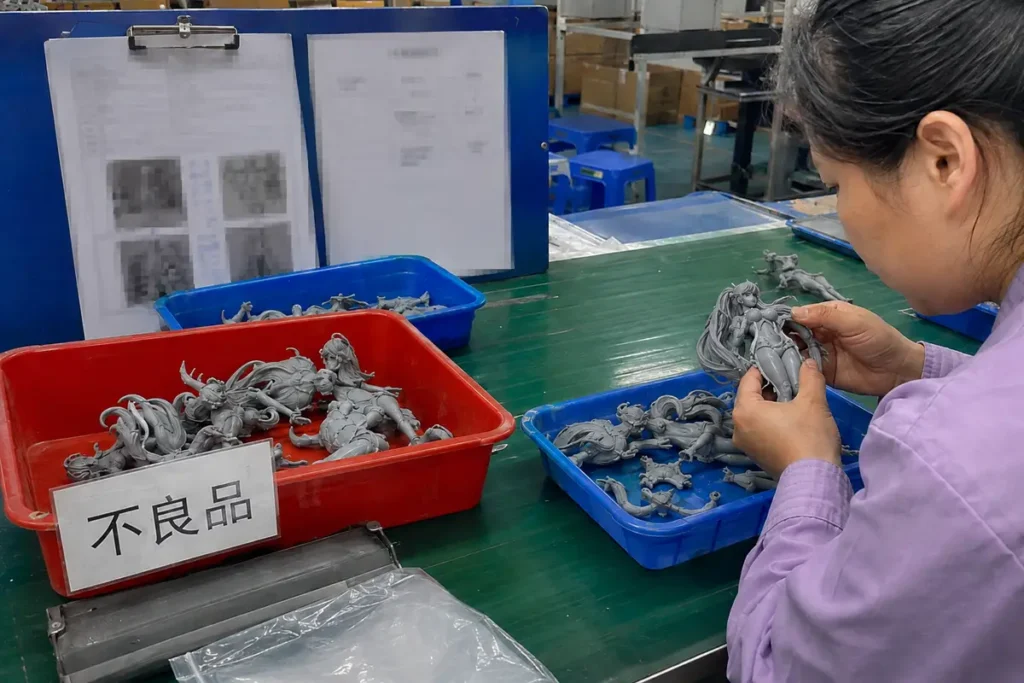
An out-of-acceptance result must protect the affected product, identify the possible scope, assign disposition authority and verify the outcome before release.
No silent continuation.The finding and affected scope remain visible.
No automatic rework authority.Disposition follows the agreed responsibility.
No release without reverification.Corrected or sorted product returns to the defined check.

Five-step nonconformance reaction loop Identify and segregate, assess scope, authorize disposition, reverify the result, and record and release or escalate. CONTROL THE AFFECTED SCOPE 01 Identify & Segregate Protect suspected product 02 Assess Scope Trace process and lot impact 03 Authorize Disposition Rework, sort, use or reject 04 Reverify Repeat the defined acceptance check 05 Record & Decide Release or escalate

The exact reaction and approval authority are defined for the project.

Evidence and assurance boundaries

Four Types of Evidence Answer Four Different Questions

System certification, social audit, product inspection and laboratory testing should be reviewed for the question each one is designed to answer.

QMS

ISO 9001-Certified Quality Management System

Supports the management framework for controlled operation and continual improvement.

Does not replace product acceptance evidence.
AUDIT

BSCI-Audited Facility

Addresses social-compliance audit topics within the applicable audit scope.

Does not certify product quality or safety.
INSPECT

Internal, Buyer or Third-Party Inspection

Evaluates identified goods against agreed requirements and inspection scope.

Applies to the stated SKU, lot and method.
TEST

Product or Market Testing

Applicable third-party testing can be coordinated by product, material, age grade, market and test scope.

Applies only to the tested sample and scope.
Applicable Programs
EN 71 · ASTM F963 · CPSIA · REACH

These are examples of testing that may be coordinated when applicable. They are not automatic claims that every product complies with every listed requirement.

Project-specific release records

Request the Evidence the Decision Actually Needs

Sample approval Color sample First article Dimensional report Fit test Completeness check Packaging test Final inspection Third-party test

The exact record set, format, approval route and retention requirement are agreed by project. Not every record applies to every order.

Inputs for a useful quality review

Send the Product Definition and the Decisions You Need to Protect

Mark what is approved, what is provisional and what still requires engineering, commercial or compliance review.

01

Product Identity

Product type, SKU or variant structure, revision, estimated quantity and target market.

02

Released References

Drawings, 3D files, specifications, approved samples, color or finish references and pack-out files.

03

Critical Characteristics

Dimensions, interfaces, movement, stability, appearance surfaces, completeness and other buyer priorities.

04

Acceptance & Defect Logic

Known tolerances, visual boundaries, defect classes, sample plan or buyer inspection standard when available.

05

Evidence & Approval

Required samples, reports, inspection access, testing, decision owners and accepted documentation format.

06

Use, Market & Pack-Out

Age-grade direction, destination markets, functional use, packaging tests, carton or shipment needs.

Start with the evidence you already have.

FigCrafts can identify missing inputs, propose a project-specific review route and connect quality decisions to engineering, molding, decoration, assembly, packaging and shipment release.

Send Quality Requirements

Toy quality control FAQ

Questions Buyers Should Resolve Before the Quality Plan Is Released

These answers define the scope of inspection, testing and release without turning project-specific requirements into universal promises.

What does FigCrafts need before creating a quality control plan? FigCrafts needs the identified product or SKU, current revision, released files or specifications, approved samples when available, critical characteristics, quantity or lot structure, target market, evidence requirements and approval responsibility. Open requirements should be identified before they become acceptance criteria.

Does ISO 9001 certification mean every product is automatically approved? No. ISO 9001 supports the quality management framework. Each product still requires project-specific requirements, inspection or test evidence and an authorized release decision for the identified version, SKU and lot.

Does FigCrafts use AQL inspection? AQL-based final inspection can be used when it fits the project. The lot definition, inspection level, defect classes, acceptance limits and decision rule must be agreed for the specific product rather than assumed as one fixed standard for every order.

Can FigCrafts support buyer or third-party inspections? Yes. FigCrafts has internal inspection and can support buyer or third-party factory audits, product inspections and laboratory testing according to the agreed project requirements, access arrangements and inspection scope.

What happens when an inspection finds a nonconformance? The affected product is identified and controlled, the possible scope is assessed, disposition is authorized by the agreed responsibility, and the result is reverified before release. Records and escalation follow the project quality plan.

Can FigCrafts arrange EN 71, ASTM F963, CPSIA or REACH testing? FigCrafts can coordinate applicable third-party testing according to the product, materials, age grade, destination market and agreed test scope. A result applies to the identified sample and test scope; it is not a blanket compliance statement for every product or market.

What quality records can be provided? Depending on the agreed project plan, records can include sample approval, color samples, dimensional reports, first-article evidence, fit or completeness checks, packaging tests, outgoing or final inspection records and third-party test reports. The exact record set and format are confirmed for the project.

Build the quality plan around the real product risk

Define What Must Be Approved, Checked and Released

Share the product revision, approved references, CTQs, quantity, target market, inspection needs and decision owners for an initial quality review.

Review a Quality Program

Send Your Inquiry

Share project details for an initial manufacturing review.

*For confidential files, request an NDA before sharing sensitive project data.

滚动至顶部

Send Your Inquiry

Share project details for an initial manufacturing review.

*For confidential files, request an NDA before sharing sensitive project data.