
FigCrafts connects approved files and samples to practical checks during molding, decoration, assembly and final pack-out. Buyers can also arrange factory audits, product inspections and applicable third-party testing.
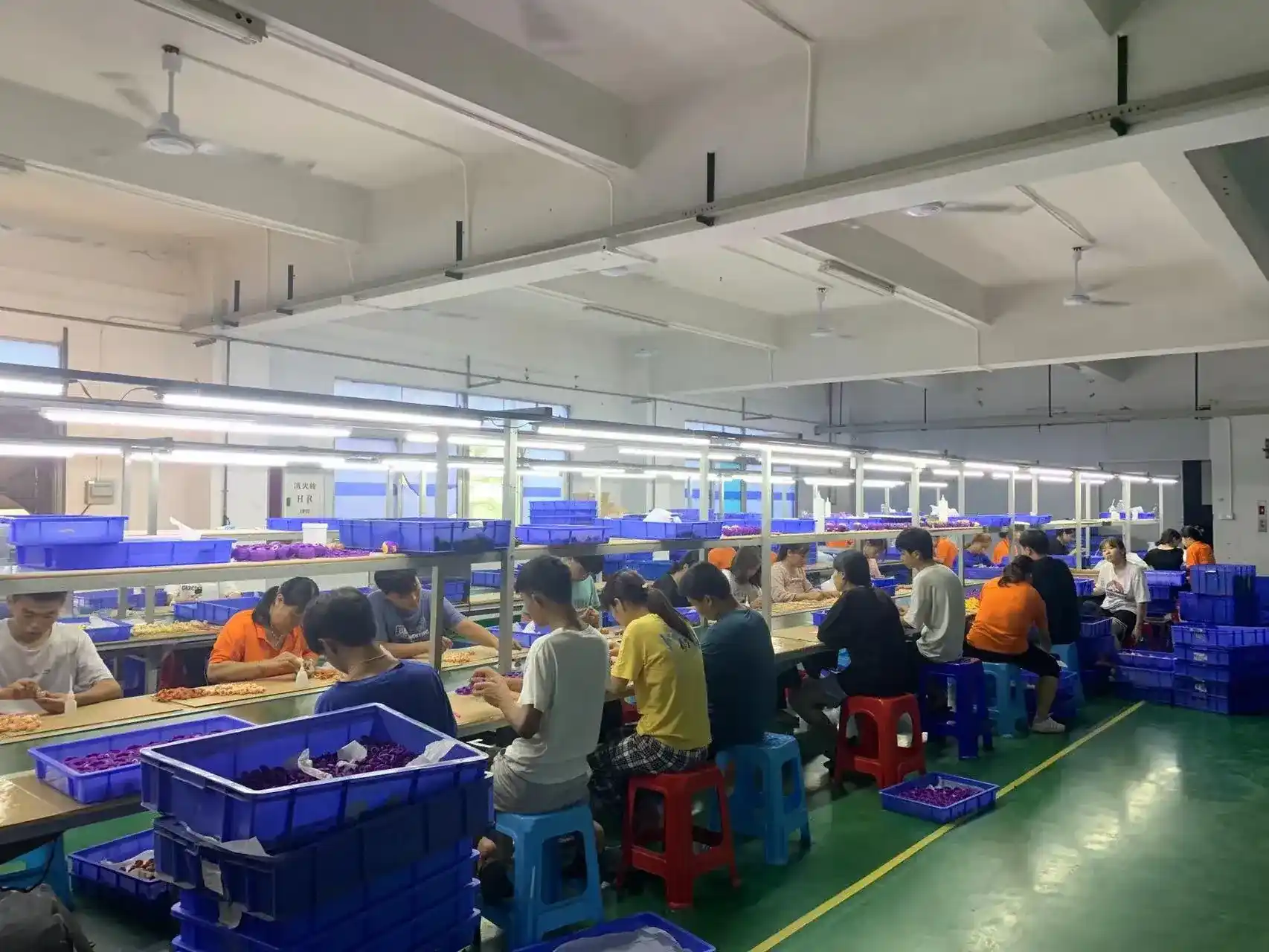
Quality Control Starts With an Approved Product Definition
A measurement or visual check only has meaning when it is compared with a released requirement. Before inspection begins, the product identity, revision, approved references, critical characteristics and open decisions must point to the same program.
Product, SKU, revision, lot and quantity under review.
Current files, specifications, physical samples, color references and packaging information.
Dimensions, fit, movement, stability, appearance, completeness and other buyer priorities.
Method, timing, sampling, records and responsibility for accepting or holding product.
Quality System, Project Plan and Inspection Results
The management system creates the operating framework. The project plan translates buyer requirements into controls. Process checks generate evidence. Release authority decides what can move forward.
Quality Management System
Provides responsibilities, document control, traceability and nonconformance handling.
Project Quality Plan
Translates the approved product and buyer priorities into specific checks and responsibilities.
Production Checks
May include incoming, first-article, in-process, assembly, completeness, packaging and final inspection.
Inspection Records
Show the identified product, result, exception and decision for the agreed scope.
Approvals Follow the Product From Sample to Finished Goods
Each approval applies to the item and properties it was created to review. A sample or first article does not automatically approve every unit in the final lot.
Approved Requirements
Confirm the current product files, specifications, finish and pack-out details.
Approved Physical Sample
Review the defined form, fit, movement, appearance or packaging properties.
Production First Article
Check the current materials and setup before routine production.
Finished-Goods Inspection
Review the identified SKU, lot and quantity before shipment preparation.
Quality Checks Change With the Product
The control plan follows how the product is built, handled, decorated, assembled and used—not a generic toy checklist.
What a Practical Inspection Plan Should Define
Each important check should identify the product characteristic, approved requirement, inspection method, timing or sample size, required record and action if the result is outside the agreed condition. This makes buyer priorities actionable on the factory floor without relying on vague instructions such as “inspect carefully.”
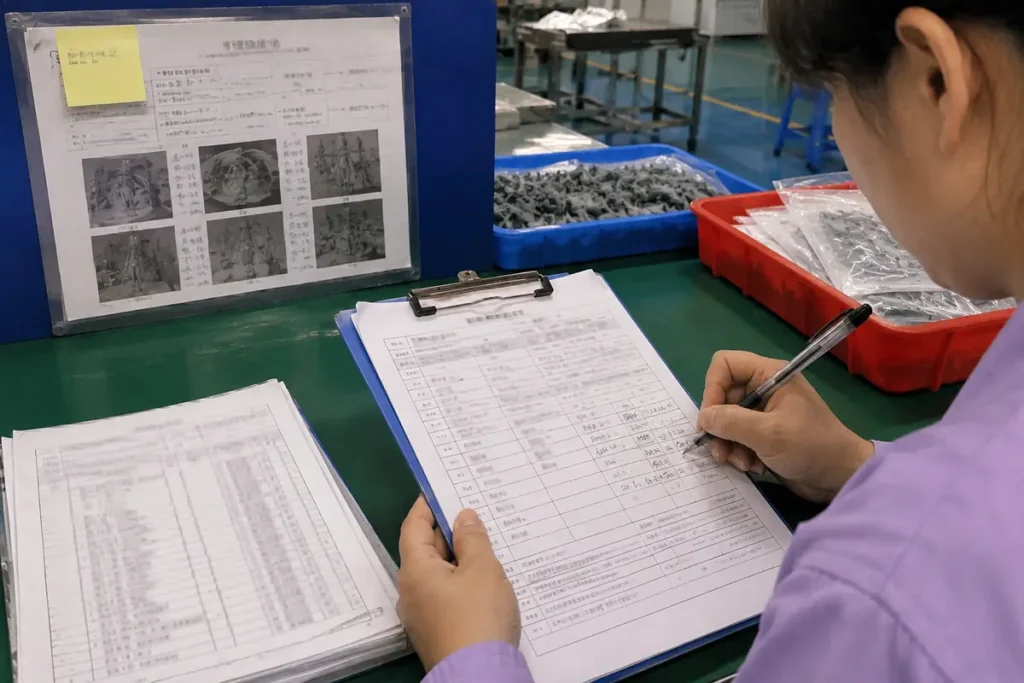
Choose the Inspection Method by Product Risk
Inspection levels, limits and sample sizes are confirmed in the project quality plan rather than presented as one universal standard for every order.
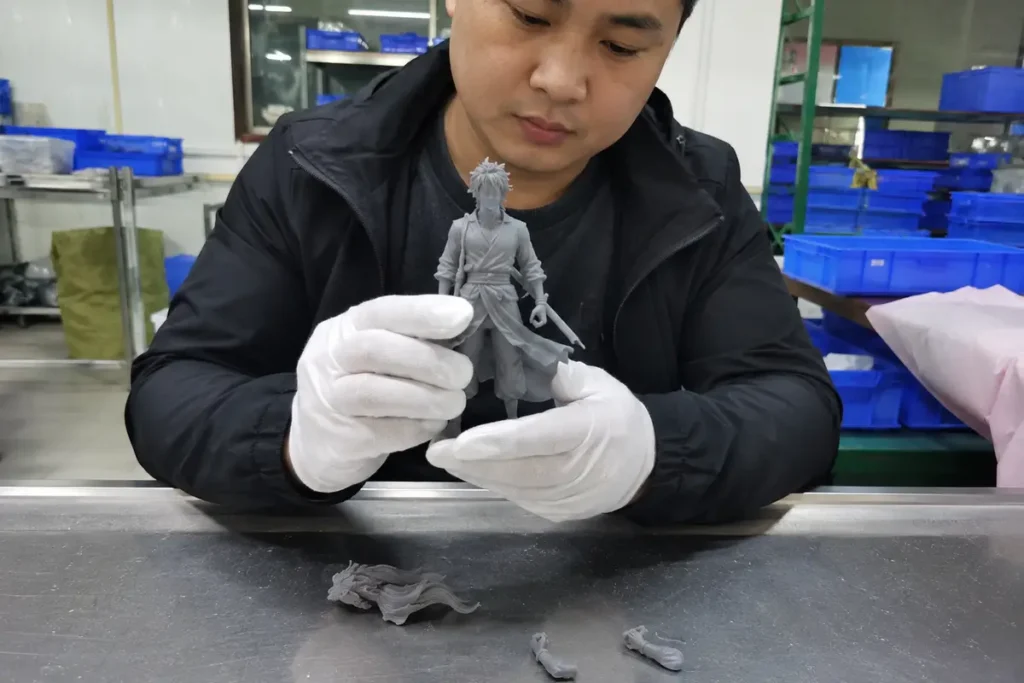
First-Article Check
Reviews the initial item or defined first-off set before routine production.
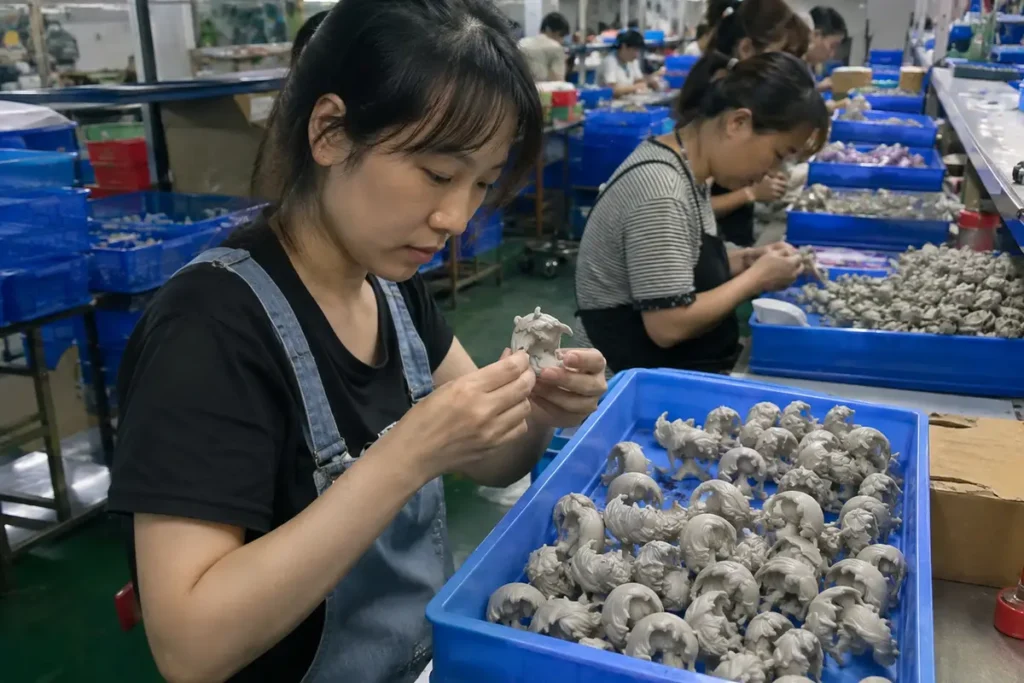
In-Process Sampling
Checks product at agreed stages or intervals and triggers the planned response when needed.
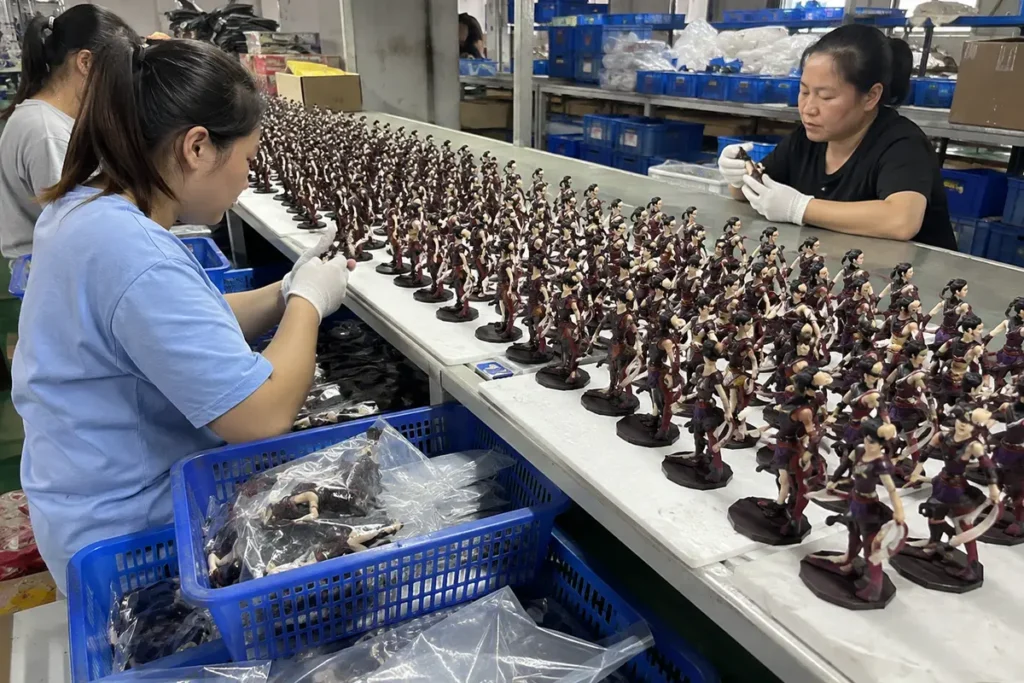
100% Inspection
Can be used for a named characteristic when justified; it does not mean every property is inspected exhaustively.

Final Sampling / AQL
Uses an agreed lot, sample size, defect categories and decision rule to support final acceptance.
What Happens When an Inspection Finds a Problem?
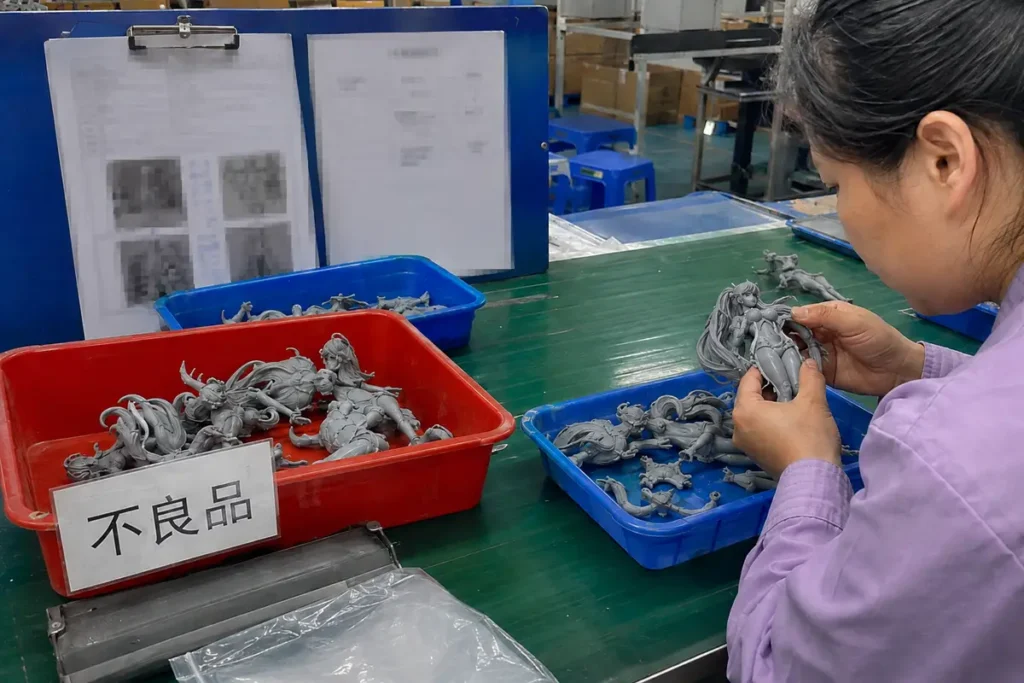
An out-of-acceptance result must protect the affected product, identify the possible scope, assign disposition authority and verify the outcome before release.
Different Evidence Supports Different Buyer Decisions
System certification, social audit, product inspection and laboratory testing should be reviewed for the question each one is designed to answer.
ISO 9001 Certification
Supports the quality-management framework; it does not approve an individual product.
BSCI Audit
Addresses social-responsibility management within the audit scope; it is not a product-quality certificate.
Internal, Buyer or Third-Party Inspection
Reviews identified goods against the agreed product and inspection scope.
Product or Market Testing
Applies to the tested sample, product details and test scope.
Testing examples that may be coordinated when applicable: EN 71, ASTM F963, CPSIA and REACH. The required standard depends on the product, materials, age grade and destination market.
What to Send for a Quality Review
Mark what is approved, what is provisional and what still requires engineering, commercial or compliance review.
Product Identity
Product type, SKU or variant structure, revision, estimated quantity and target market.
Released References
Drawings, 3D files, specifications, approved samples, color or finish references and pack-out files.
Critical Characteristics
Dimensions, interfaces, movement, stability, appearance surfaces, completeness and other buyer priorities.
Acceptance & Defect Logic
Known tolerances, visual boundaries, defect classes, sample plan or buyer inspection standard when available.
Evidence & Approval
Required samples, reports, inspection access, testing, decision owners and accepted documentation format.
Use, Market & Pack-Out
Age-grade direction, destination markets, functional use, packaging tests, carton or shipment needs.
FigCrafts can identify missing inputs, propose a project-specific review route and connect quality decisions to engineering, molding, decoration, assembly, packaging and shipment release.