Home / Capabilities / Painting & Pad Printing

Custom figure painting and pad printing

Painting &Pad Printing

FigCrafts connects the finish map, decoration method, physical approval and production evidence so the intended character survives the move from artwork to repeatable finished parts.

This capability begins with identified parts and an appearance direction. It does not replace product engineering, molding or final-product approval.

1786172147775 ca8a69c6921488
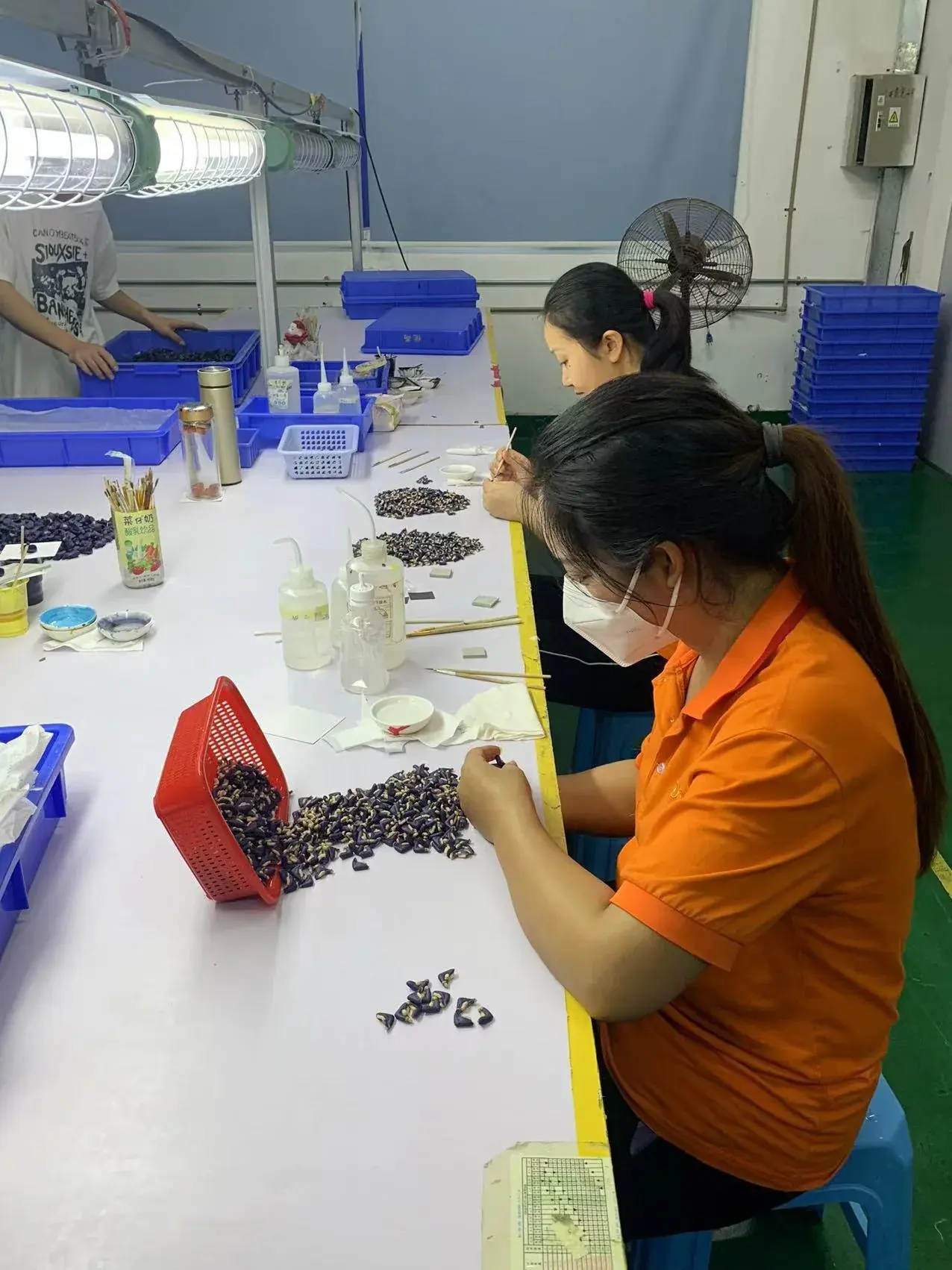
Verified company photography · Pad printing work area
In-House
Spray painting, pad printing and hand detailing are confirmed internal capabilities.
Method Fit
Decoration route follows geometry, access, artwork and the required visual result.
Scoped Approval
References and approvals are bound to the identified part, version and appearance property.
Connected
Engineering, molding, finishing, assembly, pack-out and inspection are coordinated as one program.

A clear boundary from molding

Decoration Starts with Identified Parts and Finish Intent

The molding page controls how acceptable parts are formed and released. This page decides how visible color, graphics, sheen and local detail are realized and approved on those parts.

01
Identified Parts

Part or zone identity, revision, material status, formed color and visible surfaces are clear.

02
Finish Intent

Color relationships, graphics, sheen, texture interaction and critical character details are visible.

03
Physical or Digital Reference

The team knows which source governs each property and which interpretation still needs approval.

04
Downstream Conditions

Assembly contact, handling, pack-out and use conditions that can affect appearance are included.

Color and decoration architecture

Use the Simplest Reliable Route for Each Appearance Zone

Not every color should become a paint operation. Formed color and part separation can remove unnecessary decoration risk; spray, pad print and hand detail are then applied where they add the required result.
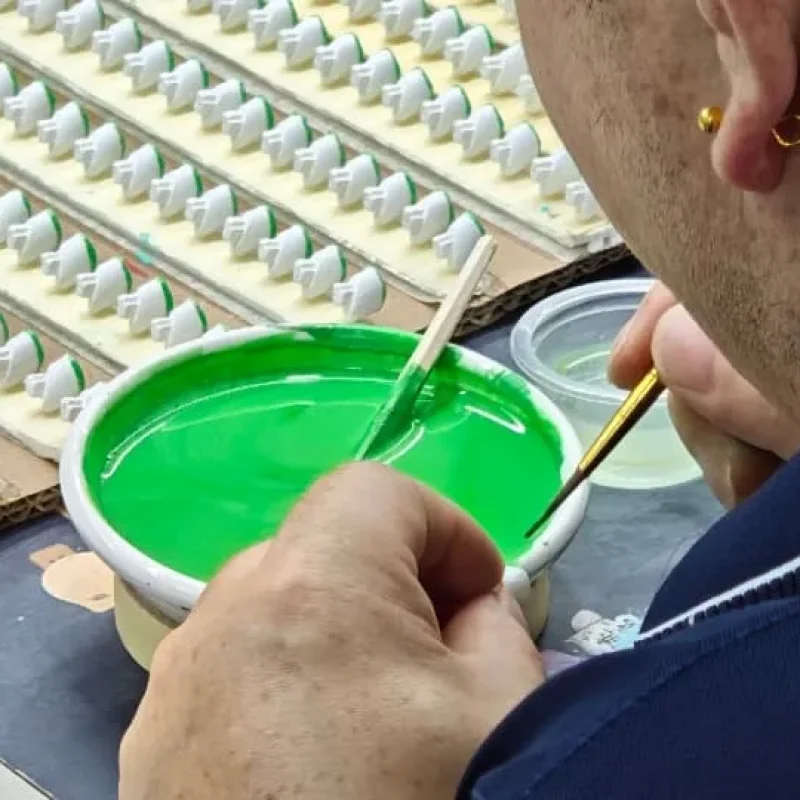
Figure appearance route selection A finish map is divided into formed color, separate part, spray and mask, pad printing, or hand detailing according to appearance and production needs. FINISH MAP Part · Zone · Reference What must the finished surface communicate? METHOD FIT 01 FORMED COLOR Stable base color without a coating step 02 PART SEPARATION Boundary solved by product architecture 03 SPRAY + MASK Broad or shaped surface coverage 04 PAD PRINTING Repeatable graphic or small detail transfer 05 HAND DETAIL Local character or correction-sensitive work

Engineering decision model. The final route is project-specific.
01

Formed Color

Use the part material and formed color when it can deliver the required base appearance more reliably.

02

Part Separation

Consider a separate component where a hard color boundary or assembly logic makes more sense than masking.

03

Spray and Mask

Apply coverage and shaped color zones after reviewing surface, edges, access and handling.

04

Pad Printing

Transfer repeatable graphics or details after checking artwork, curvature, texture, access and registration.

05

Hand Detailing

Use controlled manual work for local visual character or areas unsuitable for the selected automated route.

Appearance input audit

Align the Reference Before Building the Process

Color files, renderings and physical samples can describe different properties. The team first identifies what each input controls and where interpretation is still required.

01 / Product

Part and Surface Status

Part identity, revision, material or formed color, texture, visible zones, contact points and critical interfaces.

02 / Intent

Finish Map and References

Zone-by-zone colors, sheen relationships, graphics, local details and the governing visual or physical source.

03 / Artwork

Print-Ready Information

Vector artwork when available, size, placement, orientation, line weight, layer or color separation and revision.

04 / Program

Commercial and Release Needs

Quantity, SKU and color split, approved sample path, evidence, downstream work, market needs and target schedule.

A Pantone code is an input, not the finished-part result by itself.

The perceived result also depends on substrate or base color, paint or ink system, coverage, texture, sheen and viewing condition. Visual and/or instrument checks are defined according to the project; FigCrafts does not apply one universal color-difference number to every program.

Pad printing process DFM

A Printable Graphic Must Also Reach the Part

Artwork approval confirms the graphic content. Process DFM asks whether that graphic can be transferred, located and repeated on the actual surface.

01

Artwork and Line Weight

Check small features, separations and the effect of transfer on legibility.

02

Curvature and Texture

Surface shape and texture influence contact, distortion and edge quality.

03

Access and Orientation

The pad, fixture and part must meet without collision or unstable positioning.

04

Registration Relationship

Location is judged against the identified datum, neighboring graphics or molded features.

Pad printing transfer and geometry feasibility Artwork moves from a plate through a compliant pad to a fixtured curved part, with accessibility, distortion and registration reviewed. TRANSFER PATH 01 ARTWORK / PLATE 02 COMPLIANT PAD 03 FIXTURED PART FEASIBILITY CHECK CURVED / TEXTURED SURFACE CAN THE ROUTE CONTROL: 01 Contact and ink transfer? 02 Graphic distortion? 03 Orientation and fixture stability? 04 Registration to the datum? APPROVE THE METHOD ON THE ACTUAL PART — NOT ON ARTWORK ALONE

Engineering explanation; actual fixtures, pads and process settings are product-specific.

Four different approval objects

Do Not Let One Approval Stand in for Another

Each gate answers a different question. The exact samples, records and approval authority are agreed for the project.

01

Definition Gate

Approve Artwork

Confirm content, scale, placement, orientation, separation and revision.

Approves: graphic definition
02

Reference Gate

Approve Color and Effect

Confirm the scoped visual target on the identified reference or sample condition.

Approves: appearance direction
03

Method Gate

Approve Decorated Sample

Review the actual part, route, surface interaction, edges, registration and handling.

Approves: part + method result
04

Production Gate

Approve First Article

Check the production setup against the agreed characteristics before routine work.

Approves: starting condition

Approval scope matters:an accepted color, graphic or sample applies only to the identified part, revision, route and property. It does not automatically approve hidden properties, later revisions or the entire production lot.

Appearance Control Record

Bind the Approved Appearance to the Production Decision

A useful record connects the visible requirement to the exact part, route, evidence and next gate. It prevents a sample from becoming an ambiguous promise.

FIGCRAFTS / APPEARANCE CONTROL RECORD PART + VERSION + PROPERTY
Field What Is Recorded Decision Value
01Part / Zone / Reference

Identified component, visible zone, revision and governing artwork or physical reference.

Stops an approval from drifting to the wrong surface or revision.

02Sample Route / Production Route

How the sample was made, how production will be made, and whether those routes are the same.

Makes any route difference visible before production release.

03Criteria / Evidence

Project-specific visual and/or instrument criteria, evidence format and approval authority.

Turns subjective preference into a reviewable scoped decision.

04Exception / Disposition / Next Gate

Finding, affected material, hold, rework, reject, use-as-is or reverify decision and responsible next approval.

Connects detection to a controlled production response.

Important

Rework is not assumed to be possible. The disposition depends on the surface, material, decoration stack, defect and approved project route.

Shared defect language

Name the Finding, Protect the Parts, Make the Decision

Clear categories help buyers, production and inspection discuss the same surface condition. The agreed boundary and sampling plan remain project-specific.

AColor / Sheen
BCoverage / Surface
CMask Edge
DRegistration
EMissing Detail
FHandling Damage
01

Protect

Hold and Identify

Segregate affected work and retain its status.

02

Understand

Classify and Review

Compare the finding with the agreed zone, evidence and boundary.

03

Decide

Apply Disposition

Use the authorized hold, rework, reject or use-as-is route.

04

Confirm

Reverify and Release

Repeat the required check before the next gate.

1786172147784 6c751d5bf7b5a
Verified company photography · Hand-finishing work area

Connected downstream release

Appearance Control Continues Through Handling, Assembly and Pack-Out

A decorated part can be acceptable at the workstation and still be damaged, mixed or assembled incorrectly later. FigCrafts coordinates finishing with internal assembly, inspection and final pack-out so status and handling conditions remain visible.

Decorate

Inspect

Protect

Assemble

Pack Out

Packaging components such as printed boxes or trays may be partner-produced and coordinated within the project; they are not presented as an in-house product route.

Inputs for an effective finish review

Send the Parts, Finish Map, References and Artwork

Mark what is approved, what is provisional and which appearance decisions still require sampling.

01

Product and Part Files

3D or drawings, part breakdown, revision, material status, formed colors and visible or contact zones.

02

Finish Map

Zone-by-zone color, sheen, texture interaction, graphics and local hand-detail requirements.

03

Color References

Physical sample, color specification, imagery or other source, with the property each reference governs.

04

Artwork and Placement

Vector artwork when available, size, location, orientation, separations and current revision.

05

Quantity and Variants

Total quantity, SKU and color split, sets, required spares or sample stages and target schedule.

06

Approval and Evidence

Required samples, comparison method, acceptance responsibility, downstream work and market or testing needs.

Appearance review

Start With the Governing References

FigCrafts will review method fit, missing inputs, sample scope and the decisions required before production release.

Part files and finish map
Color references and print artwork
Quantity, variants, evidence and schedule

Shared Inquiry Form

Add a native Elementor Form widget here after import.

Painting and pad printing buyer FAQ

Questions Buyers Should Resolve Before Decoration

The answers separate confirmed in-house capability from the project-specific choices required for a controlled finish.

What painting and printing services does FigCrafts provide? FigCrafts has confirmed in-house spray painting, pad printing and hand-painting or hand-detailing capabilities for figures and model kits. The selected combination depends on the part, finish map, artwork, surface, quantity and approved appearance route.

Should every color on a figure be painted? No. Formed color or a separate part can sometimes create a more reliable boundary with fewer decoration steps. FigCrafts reviews the product architecture and finish intent before assigning spray, pad-printing or hand-detail work.

Is a Pantone code enough to approve the finished color? No. It is a useful input, but the finished appearance also depends on the substrate or base color, paint or ink system, coverage, texture, sheen and viewing condition. The project should define the physical reference and evidence used for approval.

What affects pad-printing feasibility? Feasibility depends on artwork and line weight, surface curvature and texture, part material, pad access, fixture orientation, registration relationship and the required visual result. Approval should be demonstrated on the identified part and production-intent route.

What is the difference between artwork, sample and first-article approval? Artwork approval confirms graphic definition. Color or effect approval confirms a scoped appearance direction. A decorated sample confirms the part and method result. A production first article checks the current production starting condition; it does not automatically approve the whole lot.

How are color and appearance checked during production? The project can define visual and/or instrument checks, physical references, sample scope, sampling and reaction requirements. FigCrafts has a confirmed internal colorimeter, but the exact method, viewing conditions and limits remain project-specific rather than universal.

Can decorated parts be reworked if a defect is found? Rework is not assumed to be possible. The disposition depends on the surface, material, decoration stack, defect and approved route. Affected work is identified and reviewed for hold, rework, reject, use-as-is or reverification according to project authority.

What files should I send for a finish review? Send available part files or drawings, part breakdown and revision, material and formed-color status, finish map, color or physical references, vector artwork and placement, quantity and SKU split, sample status, evidence needs, downstream work and target schedule.

Start with an appearance decision

Review the Part, Finish Map and Approval Route

Share the product files, color references, artwork, quantity, variants, sample status, evidence needs and target schedule.

Review a Finish Project

Send Your Inquiry

Share project details for an initial manufacturing review.

*For confidential files, request an NDA before sharing sensitive project data.

滚动至顶部

Send Your Inquiry

Share project details for an initial manufacturing review.

*For confidential files, request an NDA before sharing sensitive project data.